About iHeal and Dr. Timothy Everett

Medicine, at its best, is the discipline of asking the next question. iHeal exists because for many patients, that question hasn't yet been asked.

Why iHeal exists

Most patients who come to iHeal share a version of the same experience. They have been unwell for a long time. They have seen multiple physicians and specialists. They have had extensive testing. And they have been told, in one way or another, that their results don't explain their symptoms — or that there is nothing more to investigate.

iHeal was founded on a different premise: that when a patient is clearly unwell and conventional evaluation hasn't explained why, the right response is not to stop looking. It is to look more carefully, with a broader framework, at the contributors conventional evaluation often doesn't investigate. Chronic illness driven by environmental exposures, chronic infections, and the body's dysregulated response to them is real, identifiable, and treatable — but only if someone looks for it.

Dr. Timothy M. Everett, MD

Dr. Everett is a physician practicing comprehensive and environmental medicine. He received his medical degree from LSU School of Medicine in Shreveport and has been in practice for more than 20 years.

His clinical focus is the comprehensive evaluation of chronic illness — particularly the environmental drivers, chronic infections, and dysregulated immune and metabolic responses that conventional evaluation often does not investigate. The 5M Model, the framework central to iHeal's practice, emerged from his clinical observation of the recurring patterns in patients with complex chronic illness.

A faith-centered practice

iHeal is a faith-centered practice. In practical terms, this means several things. It means each patient is approached as a whole person — body, mind, and spirit — rather than as a collection of symptoms or test results. It means the practice takes the time that genuine evaluation and genuine care require. And it means iHeal holds both the rigor of medical science and a deeper conviction about the dignity and worth of every person who walks through the door.

Patients of any faith, or none, are welcomed and cared for fully. The faith-centered foundation of the practice shapes how care is delivered — with attention, patience, and respect — rather than determining who is cared for.

How iHeal relates to conventional medicine

iHeal is not positioned against conventional medicine, and the practice is not an alternative to it. iHeal relies on conventional testing for its foundation, accepts conventional diagnoses where they apply, and uses conventional treatment where it serves the patient. The practice extends conventional medicine rather than rejecting it — adding the comprehensive evaluation of environmental and infectious drivers, and the dysregulated responses they provoke, that standard practice often does not include.

This matters for patients who are working with other physicians. iHeal's evaluation is designed to complement ongoing conventional care, not to replace the relationships and treatments a patient may already have. Comprehensive evaluation and good conventional medicine are not in conflict; they belong together.
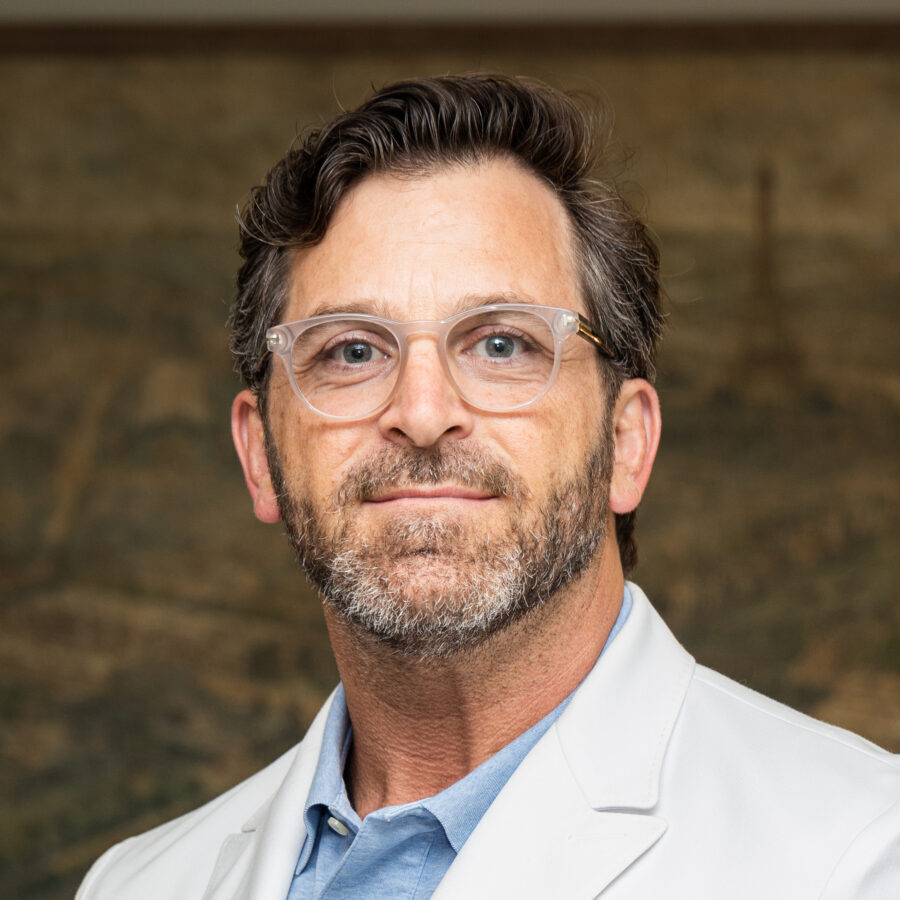
Dr. Matthew Everett, MD

Pro Tip · From Dr. Everett

Matthew Everett, MDEnvironmental Medicine · IFMCP

iHeal is not positioned against conventional medicine, and the practice is not an alternative to it. iHeal relies on conventional testing for its foundation, accepts conventional diagnoses where they apply, and uses conventional treatment where it serves the patient. The practice extends conventional medicine rather than rejecting it — adding the comprehensive evaluation of environmental and infectious drivers, and the dysregulated responses they provoke, that standard practice often does not include.

Sources & Further Reading

Concerned this applies to you?

A consultation is where we figure out whether about iheal and dr. timothy everett is actually contributing to your symptoms — and what to do about it.

About iHeal and Dr. Timothy Everett

Medicine, at its best, is the discipline of asking the next question. iHeal exists because for many patients, that question hasn't yet been asked.

Why iHeal exists

Most patients who come to iHeal share a version of the same experience. They have been unwell for a long time. They have seen multiple physicians and specialists. They have had extensive testing. And they have been told, in one way or another, that their results don't explain their symptoms — or that there is nothing more to investigate.

iHeal was founded on a different premise: that when a patient is clearly unwell and conventional evaluation hasn't explained why, the right response is not to stop looking. It is to look more carefully, with a broader framework, at the contributors conventional evaluation often doesn't investigate. Chronic illness driven by environmental exposures, chronic infections, and the body's dysregulated response to them is real, identifiable, and treatable — but only if someone looks for it.

Dr. Timothy M. Everett, MD

Dr. Everett is a physician practicing comprehensive and environmental medicine. He received his medical degree from LSU School of Medicine in Shreveport and has been in practice for more than 20 years.

His clinical focus is the comprehensive evaluation of chronic illness — particularly the environmental drivers, chronic infections, and dysregulated immune and metabolic responses that conventional evaluation often does not investigate. The 5M Model, the framework central to iHeal's practice, emerged from his clinical observation of the recurring patterns in patients with complex chronic illness.

A faith-centered practice

iHeal is a faith-centered practice. In practical terms, this means several things. It means each patient is approached as a whole person — body, mind, and spirit — rather than as a collection of symptoms or test results. It means the practice takes the time that genuine evaluation and genuine care require. And it means iHeal holds both the rigor of medical science and a deeper conviction about the dignity and worth of every person who walks through the door.

Patients of any faith, or none, are welcomed and cared for fully. The faith-centered foundation of the practice shapes how care is delivered — with attention, patience, and respect — rather than determining who is cared for.

How iHeal relates to conventional medicine

iHeal is not positioned against conventional medicine, and the practice is not an alternative to it. iHeal relies on conventional testing for its foundation, accepts conventional diagnoses where they apply, and uses conventional treatment where it serves the patient. The practice extends conventional medicine rather than rejecting it — adding the comprehensive evaluation of environmental and infectious drivers, and the dysregulated responses they provoke, that standard practice often does not include.

This matters for patients who are working with other physicians. iHeal's evaluation is designed to complement ongoing conventional care, not to replace the relationships and treatments a patient may already have. Comprehensive evaluation and good conventional medicine are not in conflict; they belong together.

Dr. Matthew Everett, MD

Pro Tip · From Dr. Everett

Matthew Everett, MDEnvironmental Medicine · IFMCP

iHeal is not positioned against conventional medicine, and the practice is not an alternative to it. iHeal relies on conventional testing for its foundation, accepts conventional diagnoses where they apply, and uses conventional treatment where it serves the patient. The practice extends conventional medicine rather than rejecting it — adding the comprehensive evaluation of environmental and infectious drivers, and the dysregulated responses they provoke, that standard practice often does not include.

Sources & Further Reading

Concerned this applies to you?

A consultation is where we figure out whether about iheal and dr. timothy everett is actually contributing to your symptoms — and what to do about it.