
The phrase mold detox is used two ways: clearing mold and mycotoxins from your environment, and helping the body recover from the illness that exposure caused. Both matter, but the order is fixed. Removing the exposure comes first, because no supplement, sauna, or binder works while you are still breathing the source. After that, recovery is individualized and medically supervised. Be skeptical of any single-product protocol that promises to flush mold from your body on a fixed timeline.
Search mold detox and you will find hundreds of protocols, most of them selling something. Some of the advice is reasonable. A lot of it is expensive, unsupervised, and aimed at the wrong problem. This is a physician walk-through of what mold detox actually means, what the evidence supports, and where people waste months and money.
01 First, two different things wear the same name
Mold detox usually refers to one of two separate jobs. The first is environmental: removing mold and the mycotoxins it produces from the place you live or work. The second is medical: helping a body that has become inflamed and symptomatic after that exposure to recover. People blur these together, then wonder why supplements are not working.
The order is not optional. You cannot detox your way out of an ongoing exposure. If the source is still there, the body keeps getting re-triggered no matter what you swallow. This is the single most common reason mold protocols fail.
02 Step one is remediation, not a supplement
The foundation of any legitimate mold recovery is finding and fixing the source. That means identifying water damage, addressing the moisture that caused it, and having visible mold professionally removed when the affected area is significant. Guidance from the EPA is that porous materials which stay wet often need to be discarded rather than cleaned, because mold grows back into what it has already colonized.
Sometimes the source is not your home at all. It can be a workplace, a car, a musty basement, or even certain foods. Our page on water-damaged buildings covers where hidden moisture tends to hide, and our page on food-borne molds and mycotoxins covers the dietary side that people often forget.
No binder, sauna, or supplement has a fair chance of working while you are still being exposed. Remediation of the source is what makes everything after it possible, which is why a good evaluation starts there rather than with a product.
03 What mycotoxin testing can and cannot tell you
Urine mycotoxin testing is popular and genuinely useful in the right hands, but it is widely oversold. A positive result does not by itself prove your symptoms are caused by mold, and a negative result does not fully rule it out. These tests are one input, interpreted alongside your history, your exposure, and inflammatory markers, not a verdict on their own.
This matters because a single out-of-context number is often used to justify a long, costly protocol. A careful clinician builds the picture from several angles. You can read how we approach that on our how we evaluate page.
04 The role of binders, and their limits
Binders are substances taken by mouth that attach to certain toxins in the gut so they leave the body rather than being reabsorbed. Some are prescription medications, others are over-the-counter products like activated charcoal or certain clays. In the context of mold illness they can have a role, but they are not a stand-alone cure, they can cause constipation and interfere with the absorption of food and medication, and they should be used under supervision rather than self-prescribed from an internet protocol.
05 Sweat, saunas, and the appeal of flushing it out
Sauna therapy is frequently promoted for mold detox. Heat and sweating are pleasant, generally safe for most healthy people, and may help some individuals feel better. What the evidence does not support is the confident claim that you can sweat mycotoxins out on a set schedule. Treat sauna as a reasonable supportive measure for people who tolerate it, not as the mechanism that clears the illness.
06 Supplements: helpful support, oversold as cures
Glutathione, antioxidants, and various nutrients are commonly used to support people recovering from mold illness. Some have a plausible rationale. The problem is not that they are used, it is that they are sold as the answer. A cabinet full of supplements bought from a protocol you found online is a common and expensive substitute for the two things that actually move the needle: removing the exposure and getting a proper evaluation.
07 Why the body sometimes does not bounce back on its own
For most people, leaving a mold exposure is enough and they recover. For a susceptible subset, the immune and inflammatory response continues even after the exposure ends, a pattern often called chronic inflammatory response syndrome, or CIRS. In these cases the response itself needs to be addressed, which is medical work, not a retail product. Our page on mold illness and CIRS explains that pattern in more depth.
08 A sane order of operations
If you suspect mold is affecting your health, a reasonable sequence looks like this. Confirm and remove the exposure first. Get a proper evaluation that combines history, exposure, and testing rather than a single lab number. Address the inflammatory response under medical supervision if it persists. Use binders, sauna, and supplements as supportive measures where appropriate, not as the plan itself.
None of this is as satisfying as a 30-day protocol with a checkout button. It is, however, what tends to actually work, and it avoids months spent detoxing against an exposure that never left.
09 When to get evaluated
Consider a formal evaluation when symptoms are chronic, affect several systems at once, and line up in time with a damp or water-damaged environment, especially if they ease when you are away and return when you go back. It is also worth it when a standard workup has come back normal but you still do not feel right. We see Houston and Katy patients in person and patients across Texas by telehealth.
Not sure what is driving your symptoms?
Our 10-minute symptom assessment maps your history to the most likely environmental drivers before your first visit.
Take the Symptom AssessmentFrequently Asked Questions
Mold detox refers to two things that are often confused. The first is environmental: removing mold and mycotoxins from your home, workplace, car, or diet. The second is medical: helping the body recover from the inflammation that exposure caused. The environmental step comes first, because no supplement or sauna works reliably while you are still being exposed to the source.
There is no single natural product that clears mold illness. The most important step is removing the exposure. After that, supportive measures such as staying well hydrated, sensible nutrition, and sauna for people who tolerate it may help you feel better, and binders or other treatments may be used under medical supervision. Be cautious with fixed-timeline protocols that promise to flush mold out, because the evidence does not support those claims.
Some supplements have a plausible supporting role in recovery, but none is a stand-alone cure, and the category is heavily oversold. A cabinet of supplements bought from an online protocol is a common and expensive substitute for the two things that actually matter: removing the exposure and getting a proper evaluation. If you use supplements, do it as part of a supervised plan rather than a self-prescribed one.
It varies widely. Many people improve within weeks of removing the exposure. A susceptible subset develop a longer inflammatory pattern called CIRS that can take months and needs medical management. Anyone giving you an exact universal timeline is guessing, because recovery depends on your genetics, how long you were exposed, and whether the source has truly been removed.
Testing can be useful, but it is one input rather than a verdict. A positive urine mycotoxin test does not by itself prove mold is causing your symptoms, and a negative one does not fully rule it out. Results are best interpreted alongside your history, exposure, and inflammatory markers by a clinician who works with mold illness, not read in isolation.
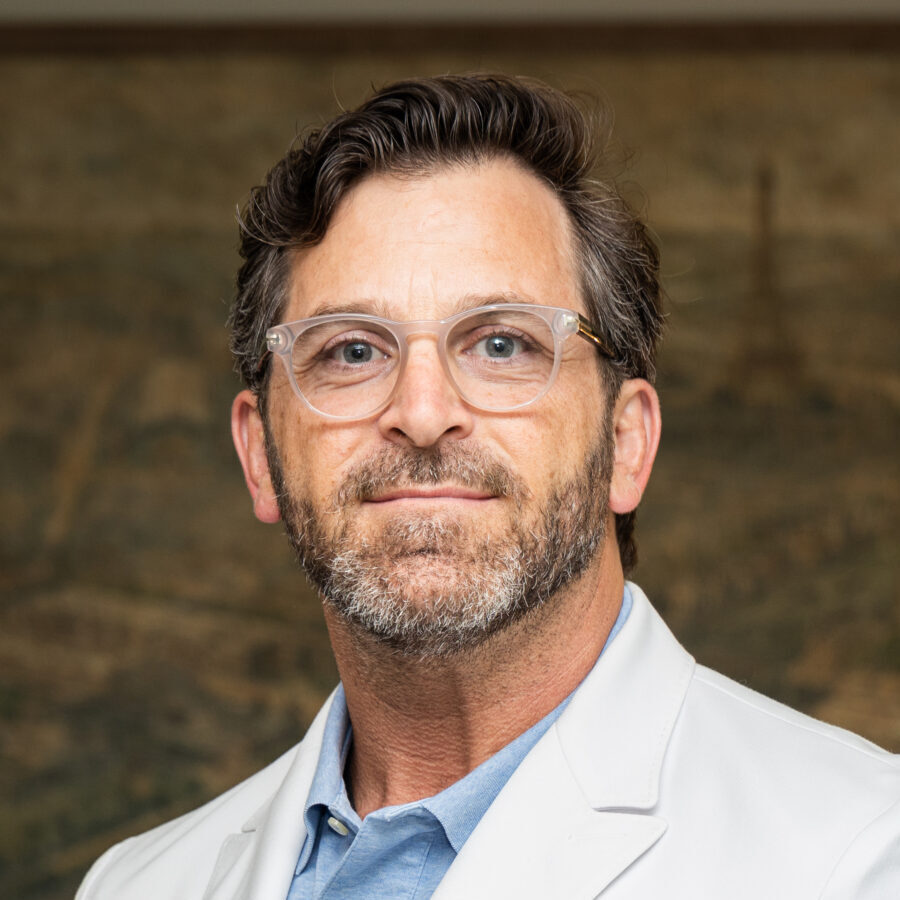
Matthew Everett, MD
Board-certified physician specializing in environmental medicine. Dr. Everett developed the 5M Framework after years of treating patients whose complex symptoms were dismissed by conventional medicine.
Sources
This article is for general informational purposes and does not replace personalized medical advice. Consult a qualified physician about your specific situation.