Water-Damaged Building Molds and Mycotoxins

Visible mold isn't required for significant exposure. The molds that produce the most harmful mycotoxins often grow in places you can't see — behind walls, under flooring, in HVAC systems.

What patients tell us

“There was water damage in my house years ago. We thought it was handled. I've never been the same since. The fatigue, the brain fog, the joint pain — and I'm worse when I'm home and slowly better when I travel. But I never fully recover.”

What water-damaged building illness is

Water-damaged buildings develop biological contamination when moisture, temperature, and substrate conditions support microbial growth. The contamination includes mold, bacteria, actinomycetes, and the biological products these organisms produce — mycotoxins, endotoxins, beta-glucans, microbial volatile organic compounds, and protein fragments that all contribute to the inflammatory response in susceptible patients.

Not every patient exposed to a water-damaged building becomes ill. Genetic susceptibility — particularly variants in the HLA-DR/DQ genes — affects whether an individual's immune system can effectively produce antibodies to biotoxins and clear them. This explains a clinical observation that recurs: one family member is severely affected while others are essentially asymptomatic. Same exposure, different genetic capacity to clear the offending biotoxins.

The HERTSMI-2 framework

The HERTSMI-2 framework indexes the inflammatory potential of water-damaged buildings, focusing on five specific mold species whose presence in elevated levels indicates significant water damage.

Aspergillus penicillioides

A xerophilic mold that tolerates dry conditions. Common in chronically damp environments; an indicator of long-standing moisture issues.

Aspergillus versicolor

Produces sterigmatocystin, a mycotoxin structurally related to aflatoxin with documented hepatotoxic and carcinogenic potential.

Chaetomium globosum

Produces chaetoglobosins and other cytotoxic mycotoxins. Often found in chronically water-damaged drywall and cellulose materials.

Stachybotrys chartarum

The 'black mold' that draws public attention. Produces trichothecene mycotoxins — particularly satratoxin and roridins — with documented neurotoxic, immunotoxic, and hematotoxic effects.

Wallemia sebi

A xerophilic mold; an indicator of moisture issues even in relatively dry environments. Often found in dust from water-damaged buildings.

Additional clinically relevant organisms beyond HERTSMI-2 include various Penicillium species, additional Aspergillus species, and Fusarium species. The clinical evaluation considers the full spectrum of exposure.

CIRS: the recognized clinical entity

Chronic Inflammatory Response Syndrome (CIRS) is the diagnostic framework developed by Dr. Ritchie Shoemaker to describe the multi-system inflammatory illness that occurs in genetically susceptible patients exposed to water-damaged buildings. The clinical criteria include consistent exposure history, multi-system symptoms across defined symptom clusters, specific biomarker patterns, and HLA-DR/DQ haplotype testing identifying susceptibility.

Mainstream medicine has not adopted CIRS as a formal diagnostic category, and the Shoemaker biomarker panel and treatment protocol remain controversial in academic medicine. iHeal's position is to take the clinical pattern seriously while applying clinical judgment rather than algorithmic adherence to any single protocol.

How iHeal evaluates water-damaged building illness

Evaluation requires both environmental and biological assessment. Environmental assessment includes exposure history, building inspection findings, and dust or air sampling using established methodologies when warranted. Biological assessment includes specialty testing for mycotoxin exposure, inflammatory biomarkers, genetic testing for susceptibility haplotypes when indicated, and evaluation for the downstream response domains. Treatment requires both exposure reduction and biological support — without environmental remediation or relocation, biological treatment alone typically produces partial response that doesn't last.
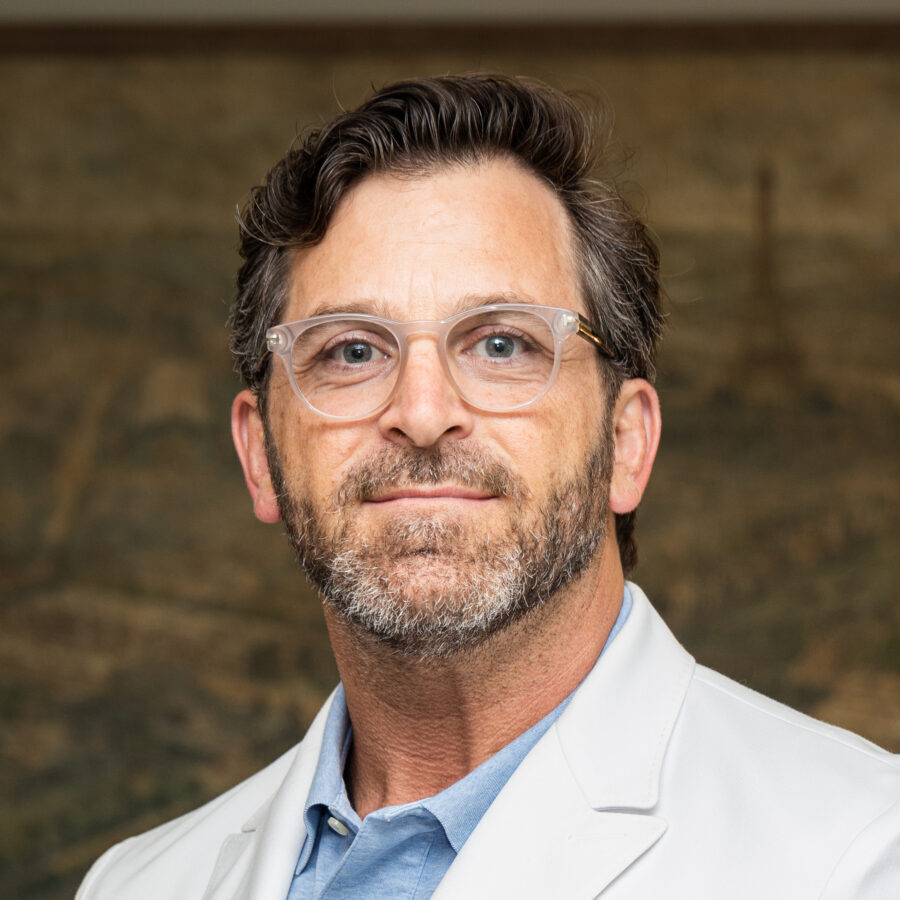
Dr. Matthew Everett, MD

Pro Tip · From Dr. Everett

Matthew Everett, MDEnvironmental Medicine · IFMCP

Evaluation requires both environmental and biological assessment. Environmental assessment includes exposure history, building inspection findings, and dust or air sampling using established methodologies when warranted. Biological assessment includes specialty testing for mycotoxin exposure, inflammatory biomarkers, genetic testing for susceptibility haplotypes when indicated, and evaluation for the downstream response domains. Treatment requires both exposure reduction and biological support — without environmental remediation or relocation, biological treatment alone typically produces partial response that doesn't last.

Sources & Further Reading

  • CDC: Mold and Indoor Environments cdc.gov/mold
  • EPA: Indoor Air Quality and Mold epa.gov/mold
  • Surviving Mold: Shoemaker CIRS Resources survivingmold.com
  • Peer-Reviewed: Water-damaged building exposure and chronic inflammation — PubMed-indexed; references in Toxins, International Journal of Environmental Research and Public Health

Concerned this applies to you?

A consultation is where we figure out whether water-damaged building molds and mycotoxins is actually contributing to your symptoms — and what to do about it.

Water-Damaged Building Molds and Mycotoxins

Visible mold isn't required for significant exposure. The molds that produce the most harmful mycotoxins often grow in places you can't see — behind walls, under flooring, in HVAC systems.

What patients tell us

“There was water damage in my house years ago. We thought it was handled. I've never been the same since. The fatigue, the brain fog, the joint pain — and I'm worse when I'm home and slowly better when I travel. But I never fully recover.”

What water-damaged building illness is

Water-damaged buildings develop biological contamination when moisture, temperature, and substrate conditions support microbial growth. The contamination includes mold, bacteria, actinomycetes, and the biological products these organisms produce — mycotoxins, endotoxins, beta-glucans, microbial volatile organic compounds, and protein fragments that all contribute to the inflammatory response in susceptible patients.

Not every patient exposed to a water-damaged building becomes ill. Genetic susceptibility — particularly variants in the HLA-DR/DQ genes — affects whether an individual's immune system can effectively produce antibodies to biotoxins and clear them. This explains a clinical observation that recurs: one family member is severely affected while others are essentially asymptomatic. Same exposure, different genetic capacity to clear the offending biotoxins.

The HERTSMI-2 framework

The HERTSMI-2 framework indexes the inflammatory potential of water-damaged buildings, focusing on five specific mold species whose presence in elevated levels indicates significant water damage.

Aspergillus penicillioides

A xerophilic mold that tolerates dry conditions. Common in chronically damp environments; an indicator of long-standing moisture issues.

Aspergillus versicolor

Produces sterigmatocystin, a mycotoxin structurally related to aflatoxin with documented hepatotoxic and carcinogenic potential.

Chaetomium globosum

Produces chaetoglobosins and other cytotoxic mycotoxins. Often found in chronically water-damaged drywall and cellulose materials.

Stachybotrys chartarum

The 'black mold' that draws public attention. Produces trichothecene mycotoxins — particularly satratoxin and roridins — with documented neurotoxic, immunotoxic, and hematotoxic effects.

Wallemia sebi

A xerophilic mold; an indicator of moisture issues even in relatively dry environments. Often found in dust from water-damaged buildings.

Additional clinically relevant organisms beyond HERTSMI-2 include various Penicillium species, additional Aspergillus species, and Fusarium species. The clinical evaluation considers the full spectrum of exposure.

CIRS: the recognized clinical entity

Chronic Inflammatory Response Syndrome (CIRS) is the diagnostic framework developed by Dr. Ritchie Shoemaker to describe the multi-system inflammatory illness that occurs in genetically susceptible patients exposed to water-damaged buildings. The clinical criteria include consistent exposure history, multi-system symptoms across defined symptom clusters, specific biomarker patterns, and HLA-DR/DQ haplotype testing identifying susceptibility.

Mainstream medicine has not adopted CIRS as a formal diagnostic category, and the Shoemaker biomarker panel and treatment protocol remain controversial in academic medicine. iHeal's position is to take the clinical pattern seriously while applying clinical judgment rather than algorithmic adherence to any single protocol.

How iHeal evaluates water-damaged building illness

Evaluation requires both environmental and biological assessment. Environmental assessment includes exposure history, building inspection findings, and dust or air sampling using established methodologies when warranted. Biological assessment includes specialty testing for mycotoxin exposure, inflammatory biomarkers, genetic testing for susceptibility haplotypes when indicated, and evaluation for the downstream response domains. Treatment requires both exposure reduction and biological support — without environmental remediation or relocation, biological treatment alone typically produces partial response that doesn't last.

Dr. Matthew Everett, MD

Pro Tip · From Dr. Everett

Matthew Everett, MDEnvironmental Medicine · IFMCP

Evaluation requires both environmental and biological assessment. Environmental assessment includes exposure history, building inspection findings, and dust or air sampling using established methodologies when warranted. Biological assessment includes specialty testing for mycotoxin exposure, inflammatory biomarkers, genetic testing for susceptibility haplotypes when indicated, and evaluation for the downstream response domains. Treatment requires both exposure reduction and biological support — without environmental remediation or relocation, biological treatment alone typically produces partial response that doesn't last.

Sources & Further Reading

  • CDC: Mold and Indoor Environments cdc.gov/mold
  • EPA: Indoor Air Quality and Mold epa.gov/mold
  • Surviving Mold: Shoemaker CIRS Resources survivingmold.com
  • Peer-Reviewed: Water-damaged building exposure and chronic inflammation — PubMed-indexed; references in Toxins, International Journal of Environmental Research and Public Health

Concerned this applies to you?

A consultation is where we figure out whether water-damaged building molds and mycotoxins is actually contributing to your symptoms — and what to do about it.