What patients tell us
“I had COVID, or I got vaccinated, or both — and I haven't been right since. The symptoms don't fit a single diagnosis, and most physicians I've seen don't have a framework for what's happening to me.”
Why this page treats both presentations together
Long COVID — the persistent multi-system illness following SARS-CoV-2 infection — is now widely recognized. The NIH RECOVER initiative was established to characterize the condition, major academic medical centers have established post-COVID clinics, and the biology is being actively characterized: viral persistence, persistent immune activation, microclotting and endothelial dysfunction, mitochondrial impairment, mast cell activation, and dysautonomia.
Post-vaccination syndromes — the persistent multi-system illness following COVID-19 vaccination in a subset of patients — remain less consistently acknowledged in mainstream medicine. The clinical patterns reported overlap substantially with Long COVID, and the proposed biological mechanisms are the same. iHeal's clinical approach is to evaluate and treat the symptom picture in front of us based on the underlying biology, regardless of how the patient was exposed to spike protein.
The biology that's being characterized
Several mechanisms have emerged from peer-reviewed research as likely contributors. Persistent viral reservoirs have been documented in some Long COVID patients. Persistent spike protein effects on the vascular endothelium are documented, including the microclotting findings characterized in research by Pretorius, Kell, and others. Persistent immune activation patterns have been characterized in research from the Iwasaki Lab at Yale and other groups. Mitochondrial dysfunction is documented in cellular studies of post-COVID tissue. Mast cell activation patterns parallel those seen in MCAS. Dysautonomia, including POTS, is one of the most consistent post-acute presentations.
The clinical patterns iHeal sees
Common presentations include profound fatigue that doesn't recover with rest; post-exertional malaise; cognitive symptoms including brain fog and processing slowness; dysautonomia; chest pain, palpitations, and cardiac symptoms; respiratory symptoms; gastrointestinal disruption; mast cell activation patterns; sleep disturbance; and mood symptoms. The pattern that suggests spike protein-related illness includes the timing — symptoms that emerged or substantially worsened after the exposure event — and the multi-system nature that doesn't fit a single specialty's framework.
How iHeal evaluates spike protein-related illness
The evaluation integrates multiple categories of assessment: cardiovascular evaluation when symptoms warrant, including microclotting markers when available; immune evaluation including mast cell markers and assessment for viral reactivation patterns; mitochondrial assessment; hormonal evaluation; and environmental exposure assessment for compounding factors. The 5M evaluation framework applies directly — the goal is identifying which drivers and responses are most active in the individual patient.
Treatment is highly individualized because the patient population is heterogeneous. General principles include reducing inflammatory load, supporting recovery through sleep and paced activity and nutrient optimization, addressing autonomic dysfunction directly when present, and avoiding the approaches that consistently worsen this patient population — aggressive intervention without preparation, graded exercise protocols that ignore post-exertional malaise, and dismissal of mast cell symptoms.
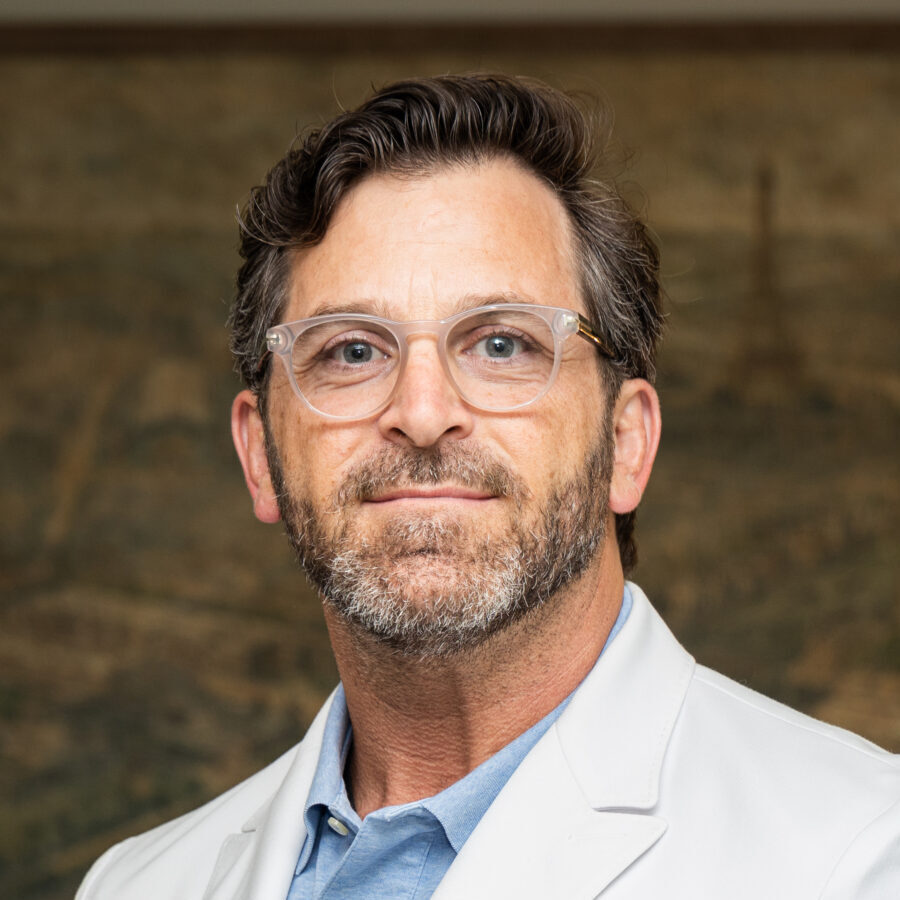
Pro Tip · From Dr. Everett
The evaluation integrates multiple categories of assessment: cardiovascular evaluation when symptoms warrant, including microclotting markers when available; immune evaluation including mast cell markers and assessment for viral reactivation patterns; mitochondrial assessment; hormonal evaluation; and environmental exposure assessment for compounding factors. The 5M evaluation framework applies directly — the goal is identifying which drivers and responses are most active in the individual patient.
Sources & Further Reading
- NIH RECOVER Initiative recovercovid.org
- CDC: Long COVID Basics cdc.gov/coronavirus/2019-ncov/long-term-effects
- Johns Hopkins Medicine: Long COVID hopkinsmedicine.org/health/conditions-and-diseases/coronavirus
- Iwasaki Lab — Yale: Long COVID Immunology Research iwasakilab.yale.edu
- PolyBio Research Foundation: Post-Acute Infection Research polybio.org
Concerned this applies to you?
A consultation is where we figure out whether long covid and post-vaccine syndromes is actually contributing to your symptoms — and what to do about it.